

Early Traditions and Foundations
Mail order brides first emerged many centuries ago as a response to societal needs involving distant marriages.
The American frontier era witnessed a surge in mail order bride advertisements, enabling men to connect with women from different nations or distant communities.
In many new territories, the shortage of women and the economic necessity led continue reading to the growth of the mail order bride phenomenon.
From humble beginnings involving letters and newspaper notices, mail order bride connections expanded into catalog business models.
The Worldwide Development and Cultural Context
Cultural and regional diversity has shaped unique mail order bride customs around the world.
Asian practices sometimes mirrored mail order arrangements, often connected to demographic shifts and socio-economic issues.
Across Europe, the history of mail order brides intersected with migration trends and colonial ventures.
In Latin America, the practice has been influenced by both indigenous customs and European colonial legacies.
Modern mail order bride markets often involve countries from Eastern Europe, the Philippines, and Latin America, reflecting contemporary economic and social dynamics.
Key Social and Financial Influences
Economic necessity has always been a primary driver behind the mail order bride tradition.
The need to form families in remote or newly settled areas propelled men to seek mail order brides.
Women frequently chose mail order marriages as means to enhance their socioeconomic status and futures.
A mix of economic hardship, social conventions, and uneven gender populations has kept the tradition alive across history.
Historical records often emphasize how mail order brides contributed to strengthening new settlements and expanding populations.
How Correspondence Transformed
Handwritten epistles were the foundational way couples connected at a distance in the mail order bride tradition.
Newspapers played a key role as well by running classified ads, which later grew into formalized catalogs listing potential brides.
Technological advances like the telegraph and telephone shortened communication times but letters still prevailed.
Modern digital technology has transformed the practice, with websites and instant communication reshaping how couples connect.
The digital age facilitates global romantic connections but necessitates vigilance about fraud and misrepresentation.
Regulation and Morality
Legal frameworks governing mail order bride arrangements vary significantly worldwide, reflecting different cultural and political contexts.
Certain nations impose regulations such as mandatory screening, formalized agreements, and residency conditions to safeguard participants.
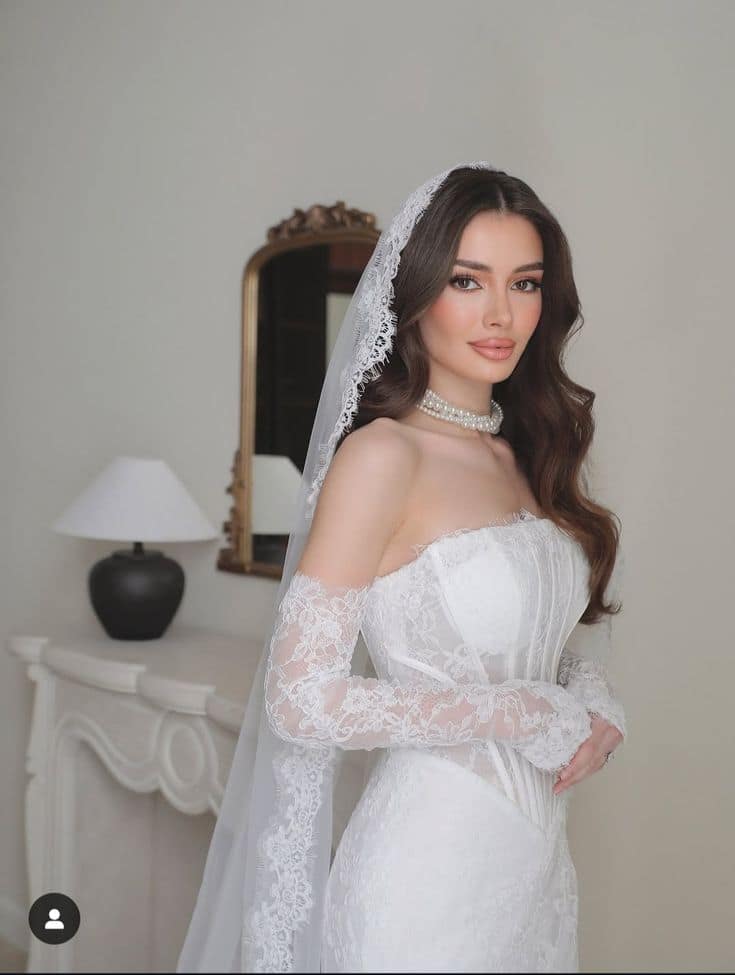
Critics argue that the practice can sometimes reduce marriage to a transactional or exploitative interaction.
Advocates stress empowerment, cultural exchange, and personal agency in contracts formed through this tradition.
Policy evolution seeks a fair equilibrium between safeguarding participants and promoting personal choice in mail order unions.